Back-to-school season changes a household’s driving rhythm almost overnight. A car that sat in the driveway for much of July may suddenly be needed for school, work, practice, appointments, and an evening activity on the same day. If one key is missing, has a weak battery, or belongs to the wrong vehicle, the whole schedule can stall.
This is especially timely in Spring Hill. Maury County Public Schools, including Spring Hill High School, lists August 3 as the first day of school. Williamson County Schools lists August 10 as the first student day. Families on different sides of the city may therefore restart their routines a week apart.
I recommend treating a spare car key as part of the family transportation plan, not as something to think about only after a key disappears. Before the first busy week, make sure you know which keys work, what each one can do, who is allowed to use each vehicle, and where the backup stays.
The short version: build the plan before you need the backup
A practical family key plan has five parts:
- At least one verified everyday key for each regular driver
- A complete spare car key for each vehicle where a backup is practical
- A secure, consistent storage place that is not inside or attached to the vehicle
- A simple handoff rule for shared cars
- A response plan for a lost, damaged, or unreliable key
The important word is verified. A key that opens the driver’s door but will not start the engine may be useful in a narrow situation, but it is not a complete driving backup. A remote that unlocks the doors but is not properly matched to the vehicle is not a complete spare either.
First, find out what kind of car key you actually have
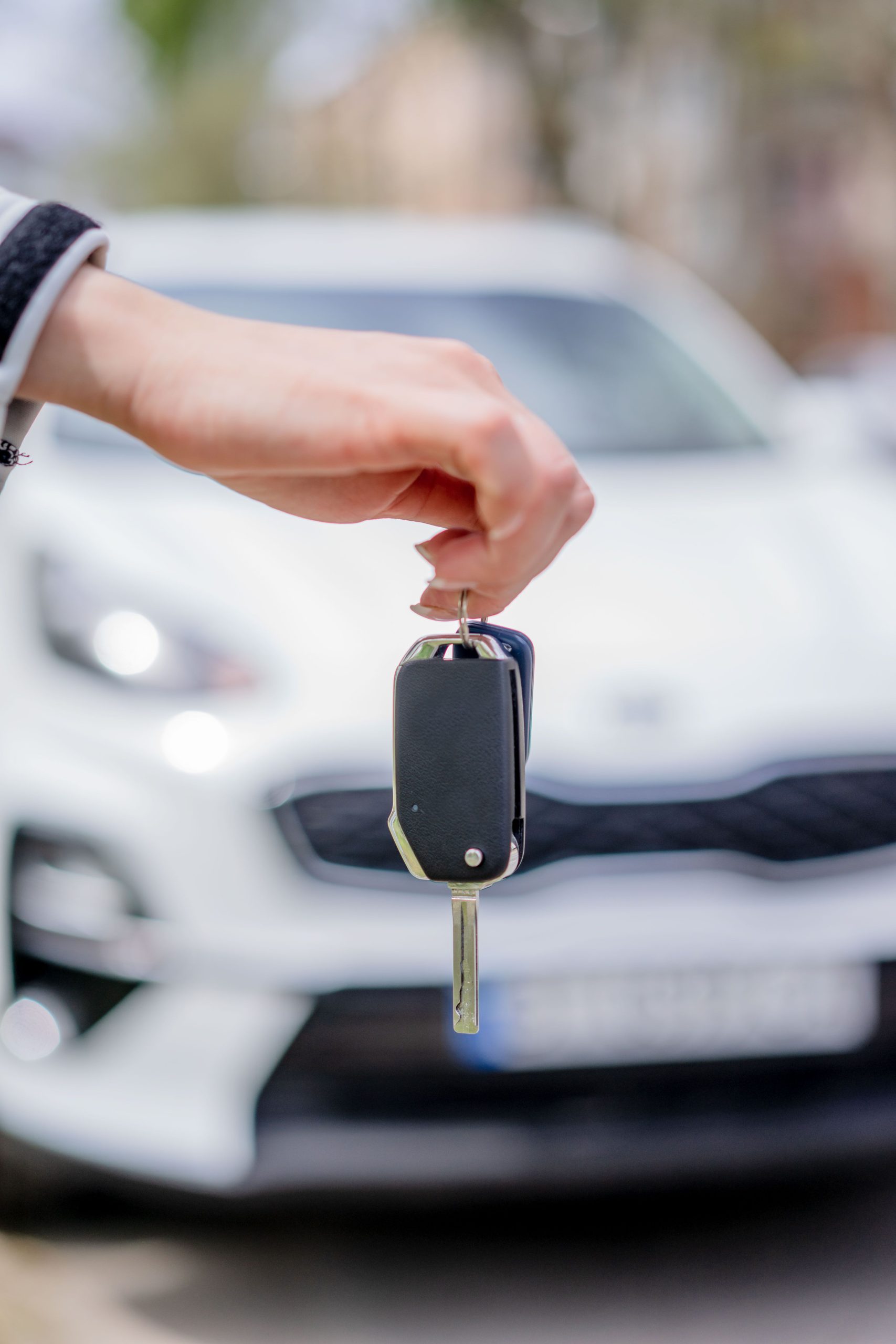
Car keys can look simple while doing several different jobs. Depending on the vehicle, a key may include a mechanical blade, a transponder chip, remote buttons, proximity functions, an emergency blade inside a fob, or a phone-based digital credential.
That is why “copy the key” does not mean the same thing for every year, make, model, and trim. The National Highway Traffic Safety Administration explains that some vehicle anti-theft systems use computer chips in ignition keys or electronic immobilizing technology. A correctly cut blade may therefore solve only the mechanical part of the job on a vehicle that also requires an authorized electronic credential.
Manufacturer rules vary as well. Ford’s current spare-key guidance, for example, says certain compatible coded keys can be programmed by an owner only when two previously programmed keys are available; otherwise, the owner is directed to a dealer and asked to provide identification and proof of ownership. That example is a useful reminder to follow the instructions for the exact vehicle rather than relying on a generic online video or an unverified fob listing.
For each key you expect someone to drive with, check the normal functions listed in the owner’s manual:
- Does it unlock and lock the vehicle as intended?
- Does it start the vehicle reliably?
- Do the remote buttons work, if equipped?
- Is the emergency mechanical key present, if the fob is designed to contain one?
- Does the vehicle display a low-key-battery or key-not-detected warning?
Do this test while the vehicle is parked at home, not when someone is already late.
Count working keys by vehicle, not by key ring
Put every vehicle on one list. Under each vehicle, record the number of complete working keys and who normally carries them. Keep the record general; it does not need key codes, passwords, or a photo of the key blade.
For many households, two verified starting credentials per regularly used vehicle is a sensible target: one everyday key and one secure backup. A third may be useful when a car is routinely shared by two adults and a teen driver, but more copies are not automatically better. Every issued key has to be accounted for.
Pay special attention to these situations:
- The household owns only one working key for a daily vehicle.
- Two similar fobs are easily confused.
- A key shell is cracked, a button is missing, or the blade is loose.
- A remote works only at very short range or intermittently.
- A vehicle was purchased used and came with fewer keys than expected.
- A teen will begin using a vehicle during the school year.
- A backup key exists, but nobody knows where it is.
If you have only one working key, address the backup while the household still has time to confirm compatibility and test the result. Waiting until all keys are lost turns a planning job into a transportation problem.
Give every shared-car key a clear role
I like a plan that is simple enough to follow on a rushed morning.
Assign one key as the everyday key for the primary driver. Assign a separate key to another regular driver only when that person truly needs one. Keep the household backup in a secure indoor location controlled by a responsible adult. If a teen uses the car only on certain days, decide whether the teen carries an assigned key or checks one out and returns it after each trip.
Use a distinct key tag or lanyard to separate similar fobs, but do not write the home address, vehicle identification number, license plate, or an alarm code on it. A label such as “Blue Car” or a simple color can be enough.
For a vehicle that changes drivers frequently, a small check-out note can prevent confusion. It only needs four items:
- Who has the vehicle
- Which key was taken
- Expected return time
- Where the key goes when it comes back
The same return spot matters more than an elaborate tracking system. A wall-mounted organizer inside the home, a secured drawer, or another agreed location is better than a key moving among backpacks, cupholders, and kitchen counters.
Do not hide the spare in or on the vehicle
A spare is meant to restore access, but it should not make unauthorized access easier. NHTSA’s theft-prevention guidance says to take the vehicle key and not leave it in or on the vehicle. I would apply that rule to the backup as well.
Avoid the glove compartment, center console, wheel area, magnetic boxes, and other predictable vehicle hiding places. Store the spare securely at home or with a trusted adult under a clear family plan. Do not place a house key and car key together unless the person carrying both actually needs both.
If the family uses a location tracker on a key ring, treat it as a finding aid rather than a substitute for key control. Check the device maker’s privacy, account, battery, and sharing settings. A tracker may help locate a misplaced ring, but it does not make an unaccounted-for key safe.
Match the key handoff to Tennessee teen-driving rules
Possession of a key does not by itself mean a teen is permitted to drive the car at any time or with any passenger. Tennessee uses a graduated driver-license system for drivers under 18. The Tennessee Department of Safety and Homeland Security directs first-time drivers under 18 into the Teen/Graduated Driver License process, with privileges that change by license level.
Before assigning a teen an everyday key, confirm the current license stage and the rules that apply to that driver. Then make the household key plan match those limits.
The family rule should also answer practical questions:
- Which vehicle may the teen drive?
- On which days and for which trips?
- Who approves a change in plans?
- May the key stay in a backpack, or must it be returned at home?
- Who gets called if the key, fob, or vehicle behaves unexpectedly?
- What happens if the key cannot be found at the agreed return time?
These are transportation rules, not locksmith instructions, but they are part of responsible key control.
What to gather before ordering a spare or replacement
Before calling a dealer or an automotive locksmith, gather the information needed to identify the correct solution:
- Vehicle year, make, model, and trim when known
- The vehicle identification number
- Every working key and fob currently in the household
- Government-issued identification
- Current registration, title, or other proof of ownership
- A description of what the existing key does and does not do
Ask what the quoted work includes. Depending on the vehicle, that may involve the key or fob itself, mechanical cutting, electronic programming, an emergency blade, and final function testing. Do not compare two estimates until you know they describe the same scope.
Vadai Lock and Key’s automotive locksmith services publicly include keys made, computer chip keys programmed, and transponder keys made. Vehicle compatibility still needs to be confirmed for the exact year, make, model, and existing key system.
If you are comparing providers, use the same calm checks you would for any service call: identify the business, explain the vehicle and key type accurately, ask for the scope of work, and confirm what ownership documentation is required. My guide to hiring a locksmith in Tennessee covers those basics in more detail.
Treat phone and digital keys as useful extras
Some newer vehicles support a phone-based digital key or a wallet-style key card. These can be convenient for a shared household, but they are vehicle-specific and should not be assumed to replace every physical credential.
Follow the owner’s manual for setup, sharing, revocation, connectivity, battery, and backup behavior. Test the feature before relying on it for a school-day trip. Keep the physical backup required by the manufacturer in the family’s plan, especially when a dead phone, lost phone, account problem, or poor connection could interfere with access.
If a key is lost, change the plan immediately
Do not wait several days hoping the key will reappear while everyone continues using the same routine.
First, account for all remaining keys and move the verified spare into controlled use. Check the places where the missing key could reasonably have been left without posting identifying details publicly. If the key was lost with an address, vehicle information, or house key, treat the exposure more seriously.
Then consult the vehicle’s current owner information or an appropriate provider. Some vehicles allow a missing electronic credential to be removed from the authorized set, while others follow a different process. Toyota’s owner guidance for one current model, for example, warns that a lost electronic key can increase theft risk and tells the owner to bring all remaining electronic keys to the dealer. The exact response depends on the vehicle, so ask whether the missing key can be deauthorized and whether every remaining key must be present.
Do not keep using a badly cracked, bent, or unreliable key until it fails. Preserve the working backup and arrange an evaluation before the school schedule depends on it.
A 15-minute back-to-school car-key check
Use this checklist for every vehicle the family expects to use:
- Gather and count every known key, fob, key card, and digital credential.
- Confirm which credentials unlock and start which vehicle.
- Test normal buttons and warnings according to the owner’s manual.
- Identify the everyday key, assigned shared key, and secure backup.
- Remove backups from the vehicle and predictable exterior hiding places.
- Add simple tags that do not reveal an address or vehicle identifier.
- Confirm teen-driver permissions and household handoff rules.
- Write down the secure return location.
- Gather ownership documents before requesting a spare or replacement.
- Make a lost-key response plan and tell every driver whom to contact.
Frequently asked questions
Do I really need a spare car key?
If the vehicle is important to work, school, or caregiving, a verified spare can keep one misplaced or damaged key from stopping the household’s transportation. The right number depends on how many people legitimately use the car and how carefully the keys can be controlled.
Can a copied car key always start the vehicle?
No. A mechanical copy may open a door but may not satisfy the vehicle’s electronic starting system. The full answer depends on the exact vehicle and key type.
Should a teen keep the spare in a backpack?
Only if that is the family’s deliberate plan and the teen is authorized to drive. A backpack is easy to leave at school, practice, or another vehicle. Many families will be better served by a secure home backup and a clear check-out rule.
Is it better to make a spare before the original is lost?
Yes, planning while a working key is available gives you time to verify the correct credential, gather ownership documents, and test every required function without an immediate transportation deadline.
What should I do with a fob bought online?
Do not assume that appearance alone proves compatibility. Confirm the correct part and programming requirements for the exact vehicle before relying on it. Ask whether a provider will work with a customer-supplied part and what happens if that part is incompatible.
Make the key plan part of the school plan
A spare car key will not organize the family calendar by itself. A clear key plan will, however, remove one preventable source of morning confusion: nobody should have to search three bags to learn whether the only working fob left the house.
Count the keys, test what they actually do, assign only the copies the household needs, store the backup securely, and make the handoff rules match the driver’s legal privileges.
If your Spring Hill household needs help evaluating a spare, duplicate, damaged key, or remote, contact Vadai Lock and Key or call (615) 378-5575. Our posted hours are 6 a.m. to 10 p.m., seven days a week.